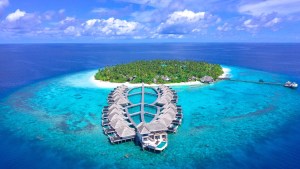
Is this the worlds most expensive surf destination?
The Maldives, with its picture-perfect scenery and world-class reef breaks, has earned a well-deserved spot in our top 5 most popular surf destinations. But this

This is a question I’ve been asking myself for a while now. It’s a valid question, especially considering how easy a surfboard can break or ding and how quickly they lose their performance compared to most other sports equipment. To me, it feels like the price of a surfboard has dramatically increased over the last few years. So, why are surfboards so expensive?
Shaping a surfboard is an art and requires specialized equipment, a controlled environment, years of experience, and hours of hand craft work. So, although the number of people shaping boards these days is rising, there are just not many people shaping boards. This makes the supply of surfboards limited. Of course these days there are machines shaping boards, but those advanced machines are exceptionally expensive, so they are not necessarily a cost-effective replacement for hand shaping just yet.
On top of the cost of the service of shaping, there are material costs. Specifically, a blank, which is the initial piece of foam used to shape a surfboard, costs roughly 85 to 100 USD depending on the size of board, for longer boards, it can be more expensive. At this point we are 100 USD and hours into the shaping process.
In addition to labor and material costs, surfboards must be shaped and glassed in climate controlled environments, each different depending on the stage of the production process. Specifically, different climates are needed to store blanks, shape blanks, fiberglass the board and let it dry, sand the fiberglass, and then finally a place to store the finished product. So, this can be up to five different rooms, each running different levels of air conditioning and dehumidification. Of course, the cost of rent or ownership varies dramatically around the world, but you can only imagine how much this kind of space would cost in places such as Hawaii or California.
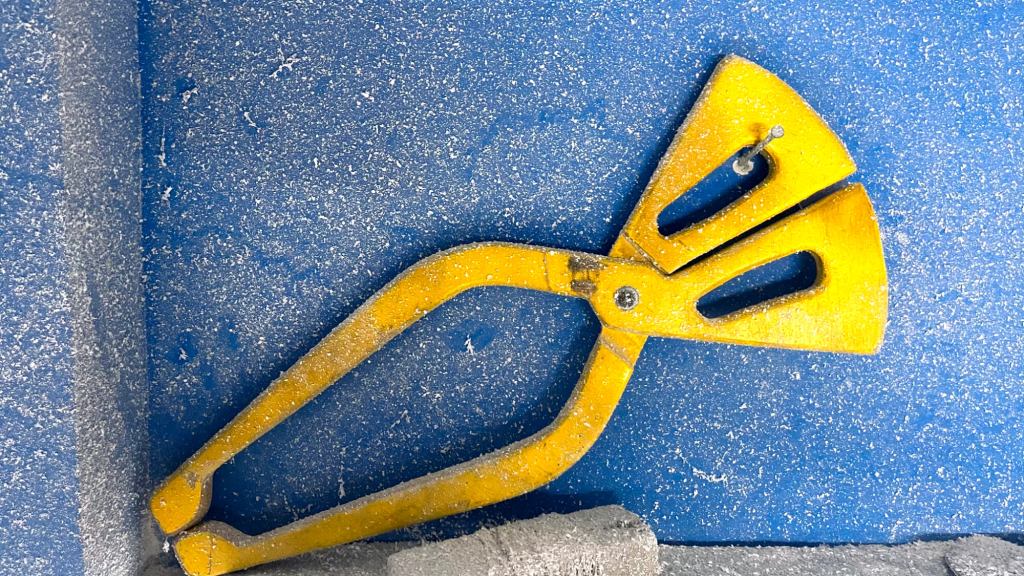
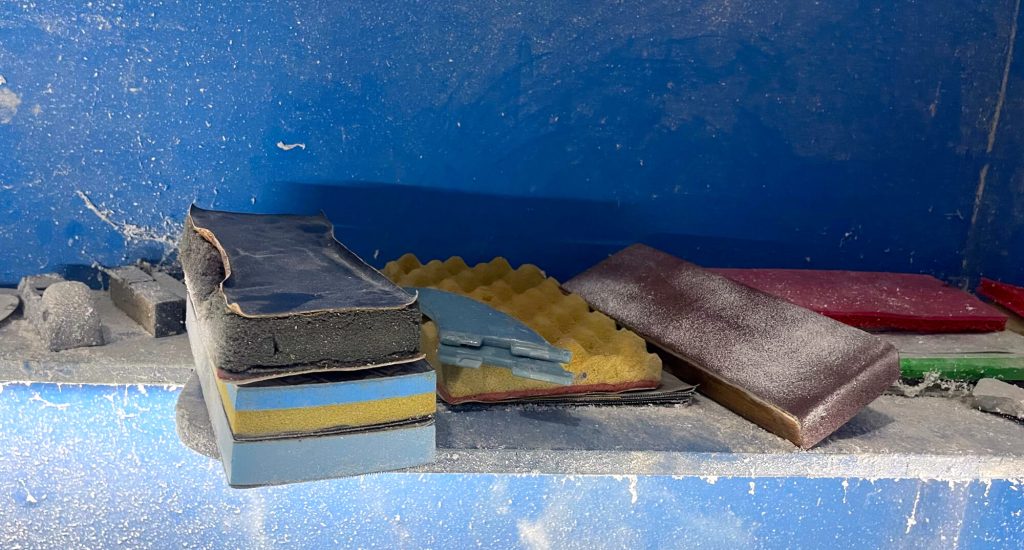
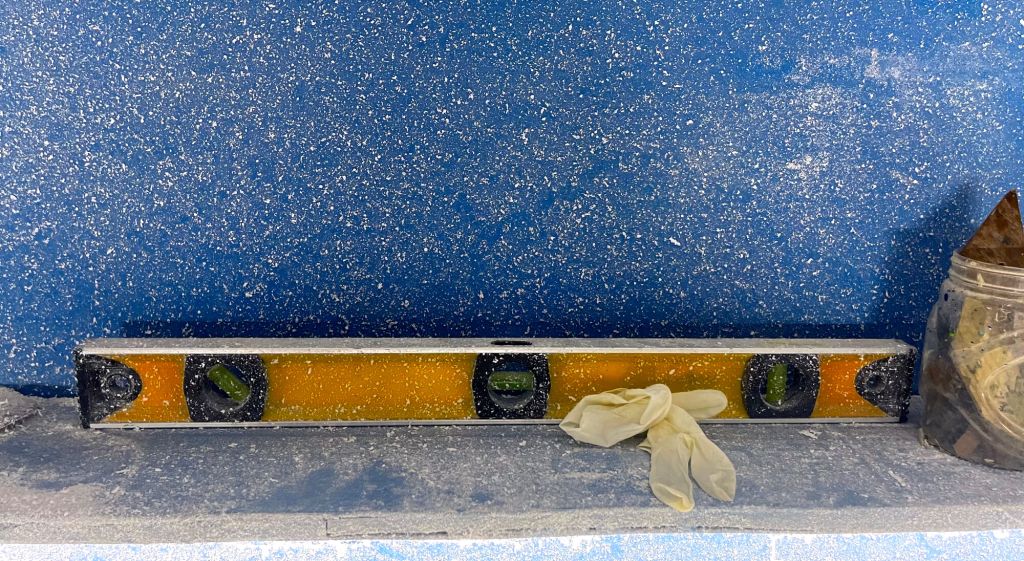
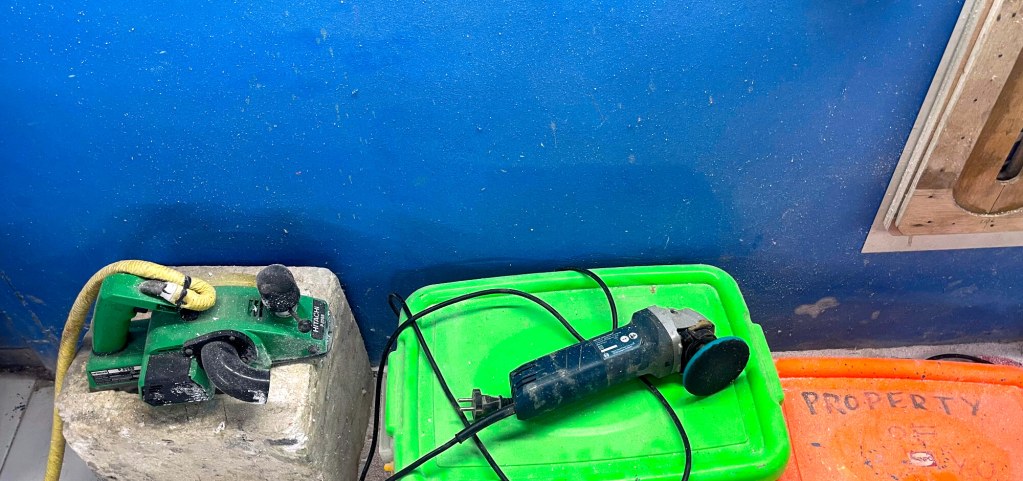
We are getting to the point where it is hard to even see a reason why people get into shaping boards in the first place. Now that we have gone through all those costs lets touch on the fact that we haven’t added fiberglass, resin, paint, and sanding. At the least, you will need a modified planer for foam, upwards of 200 USD, personal protective equipment, measuring and cutting tools, sandpaper and sanding tools, fiberglass, and resin. Further, in some cases, each of these stages are done by separate people – adding to the labor costs. In total, we can estimate that the cost of creation will be between 300 and 400 USD per board.
We also need to build in waste costs. During the shaping process, boards can break or the shaper may make a mistake and sand too much off the board. Further, the laminating process can go wrong if the laminator mixes the ratios incorrectly or if the air conditioning system fails while the board is drying. If any of these mistakes occur, the board becomes unusable and a few hundred dollars go down the drain.
Finally, after crafting a board, you also need to pay for transportation, marketing, distribution, and other associated business costs. I always thought boards have a long shelf life and could sit on a wall mount or ceiling rack forever, but this isn’t necessarily the case. If not stored correctly, boards will develop issues such as yellowing or losing their rocker. Additionally, storing such large inventory is expensive. I’m sure by now your frustration with board prices has turned into sympathy for those making and distributing them.
I hope you found this article useful! If you did, please like, share and subscribe to our mailing list to keep up to date with our latest posts.

The Maldives, with its picture-perfect scenery and world-class reef breaks, has earned a well-deserved spot in our top 5 most popular surf destinations. But this

Ericeira, Portugal, holds a unique distinction: it’s Europe’s only World Surfing Reserve. But how did this coastal town, steeped in maritime tradition, become a surfing
The world of surf travel is constantly evolving, with new destinations emerging and classic spots reinventing themselves. Looking ahead to 2025, several key trends are
Subscribe now to keep reading and get access to the full archive.
1 thought on “Why Are Surfboards So Expensive?”
Pingback: How to Choose the Right Surfboard | Independent Surfer